
Free Shipping on orders over $50.00 USD
Everything to Know About GreyHounds

All About GreyHounds: Traits, Temperament, and Facts
Grey Hounds are one of the most recognizable dog breeds, celebrated for their slim build, gentle spirit, and incredible speed. Often mistaken as high-energy all the time, these dogs are actually quiet, loving companions who enjoy lounging as much as they do sprinting.
What Does a GreyHound Look Like?
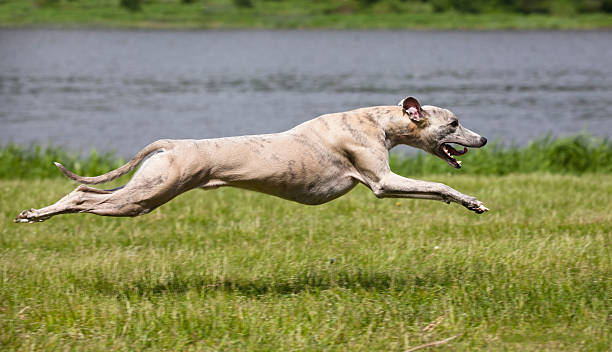
Grey Hounds have a tall, slender, and aerodynamic build—designed by nature for speed. They typically stand between 25 to 30 inches at the shoulder and weigh around 50 to 80 pounds, with males being heavier than females. Interestingly, even though they are tall, they carry less weight than other breeds of similar height, giving them their signature sleek appearance.
Their body shape includes a narrow head, deep chest, long legs, and a tucked-up waist. This structure contributes to their title as one of the fastest dog breeds in the world, capable of reaching speeds up to 45 miles per hour.
How Long Do GreyHounds Live?
With proper care, Grey Hounds enjoy a lifespan of 12 to 15 years. They’re generally healthy dogs, especially when adopted from reputable breeders or rescue organizations that screen for hereditary conditions like osteosarcoma or bloat.
Greyhound Summary
Grey Hounds are one of the oldest and most fascinating dog breeds in the world, with a history dating back over 4,000 years to ancient Egypt. Originally bred for hunting due to their keen eyesight and exceptional speed, they’ve maintained a noble reputation throughout history—from royal courts in Europe to racetracks in America.
Physically, Grey Hounds are tall, lean, and built for speed—capable of reaching up to 45 mph, making them the fastest dog breed. Their short coats come in a wide range of colors, and while they don’t shed heavily, weekly brushing is essential to maintain coat health. Due to their thin skin and minimal body fat, they’re sensitive to temperature extremes and need warm clothing in the winter and soft bedding year-round.
Despite their athletic reputation, Grey Hounds are surprisingly calm and gentle. Often referred to as “couch potatoes,” they require minimal exercise—usually just a couple of short walks and the occasional sprint in a secure area. Their quiet, relaxed nature makes them excellent pets for city dwellers, apartment owners, and families alike.
Training a Grey Hound requires patience and a gentle touch. These dogs are sensitive and do best with positive reinforcement and short, encouraging sessions. Many are adopted after racing careers, so helping them adjust to home life takes time and consistency.
When it comes to socialization, Grey Hounds can live peacefully with other dogs and sometimes cats—but because of their strong prey drive, caution is advised around small animals. Each Grey Hound is different, so early introductions and supervision are key.
In short, Grey Hounds are loyal, affectionate, and low-maintenance dogs that thrive in loving, calm homes. Whether you’re a first-time dog owner or a seasoned pet parent, this breed’s grace, intelligence, and quiet nature make them a truly special addition to the family.
Grey Hound Temperament and Personality
Despite their reputation as racing dogs, Grey Hounds are surprisingly low-maintenance and relaxed. Often referred to as “45-mile-per-hour couch potatoes,” they love short bursts of activity followed by long naps. This makes them ideal for apartment living or quieter households—as long as they get daily walks and occasional playtime.
These dogs are:
- Gentle and affectionate with their families
- Usually quiet and non-aggressive
- Shy or reserved around strangers but rarely fearful or reactive
- Known to get along well with other pets, especially if socialized young
Are Grey Hounds Good with Children?
Yes, but supervision is key. Grey Hounds can be sensitive to loud noises and sudden movements, so it’s important to teach children to interact respectfully. Always supervise early interactions and provide a safe space where your dog can retreat if overwhelmed.
Fun Facts About Grey Hounds
- Grey Hounds have been around for over 4,000 years, originally bred in ancient Egypt.
- Unlike many dogs, Grey Hounds have very low body fat, which means they may need sweaters or jackets in cold weather.
- Their vision is exceptional, thanks to a trait called “sight hound vision”—a wide field of view that helps them spot movement from far away.
The History of the Grey Hound: From Ancient Egypt to Modern America
When exploring all about Grey Hounds, it’s impossible to ignore their rich and fascinating history. Grey Hounds are not just one of the fastest dog breeds—they’re also among the oldest known canine companions in human history.
Ancient Origins of the Grey Hound
The history of the Grey Hound dates back over 4,000 years, with roots in ancient Egypt and the Middle East. Archaeologists have discovered depictions of Greyhound-like dogs etched into Egyptian tombs and painted on pottery, often accompanying pharaohs and nobility. Their elegant form and poised presence were seen as symbols of strength, speed, and status.
These early Grey Hounds were prized for their keen eyesight and unmatched hunting abilities, used to chase and capture game such as deer and hares across desert landscapes.
A Noble Dog in Europe
As centuries passed, Grey Hounds spread across Europe, especially during the time of the Roman Empire. In medieval England, they became popular among the aristocracy and were so highly regarded that laws were enacted to prevent commoners from owning them. The breed was favored by kings and queens, often appearing in royal artwork and literature.
Their reputation as elite hunting dogs led to the development of coursing—a sport where Grey Hounds chase live game by sight rather than scent. Their incredible speed and focus made them ideal for this type of pursuit.
Grey Hounds in America
Grey Hounds were introduced to North America by Spanish and British settlers, who brought the breed to the U.S. in the 16th and 17th centuries. As the frontier expanded, these dogs helped control jackrabbit populations in the Midwest and were valued for their ability to hunt across open terrain.
By the late 1800s, organized Greyhound racing began to take shape in the United States. What started as field coursing evolved into track racing, where dogs would chase a mechanical lure around an oval track. The first official track opened in 1919 in California, and the sport quickly spread.
Controversy and Changing Attitudes
While Greyhound racing became a multi-million-dollar industry, it has long faced criticism for its impact on animal welfare. Today, only a handful of states in the U.S. still allow dog racing, with many tracks shutting down due to legal reforms and public pressure. Organizations like the ASPCA and Greyhound advocacy groups continue to campaign for a complete end to Greyhound racing, advocating for the adoption of retired racers into loving homes.
Grey Hound Characteristics: Temperament, Behavior, and Physical Traits
If you’re diving into all about Grey Hounds, one of the most fascinating parts of this breed is the unique combination of their sleek, athletic appearance and surprisingly laid-back personality.
Physical Traits of a Grey Hound
Grey Hounds are unmistakable in appearance—tall, lean, and built for speed. Unlike bulkier breeds such as the Labrador Retriever or the Bernese Mountain Dog, Grey Hounds have an aerodynamic frame: a long, narrow skull, deep chest, tucked-up abdomen, and long, powerful legs. With minimal body fat and strong muscle definition, their bodies are engineered for sprinting, not roughhousing.
Their short, fine coat comes in nearly every color and pattern imaginable, from fawn and brindle to black, white, and even blue. However, due to the combination of their thin skin and lack of fat, Grey Hounds are more prone to cuts, scrapes, and bruises—which means rough play should be avoided, especially with young children or large, boisterous dogs.
Energy Levels: The Truth About the “Racing Dog”
Despite being the fastest dog breed on the planet—capable of reaching speeds of up to 45 mph—Grey Hounds are not high-energy dogs. In fact, most Grey Hound owners affectionately describe them as “45-mph couch potatoes.” They enjoy a quick sprint here and there, but are just as happy (if not more so) curling up on a cozy bed for a long nap.
One or two short walks per day, along with the occasional chance to run in a secure, enclosed space, is generally enough to meet their exercise needs. Their calm demeanor and low activity requirements make them great dogs for apartment dwellers or city living.
Prey Drive and Outdoor Safety
Grey Hounds have a strong sight-hound instinct, meaning they chase based on movement rather than smell. This makes them naturally inclined to pursue small animals like squirrels, rabbits, and even cats. As such, Grey Hounds should never be off-leash unless they’re in a fully fenced-in area with walls at least 4 to 6 feet high.
Owners should use extra caution in households with small pets, such as guinea pigs or rabbits. And when it comes to the common question—“Are Grey Hounds good with cats?”—the answer really depends on the individual dog. Some Grey Hounds coexist peacefully with feline companions, while others show too much interest due to their prey drive. Many owners report that another Grey Hound often makes the ideal playmate.
That said, each Grey Hound is unique, and with proper training, supervision, and gradual introductions, many do learn to live harmoniously with smaller pets.
Do Grey Hounds Bark?
One of the unexpected perks of Grey Hound ownership is their quiet nature. While they’re not completely silent, Grey Hounds are not typically known for barking. Instead, they may express themselves with gentle whines, grunts, or subtle body language, such as perked ears or wagging tails. This trait adds to their appeal as calm, polite companions who don’t often contribute to neighborhood noise.
Living with a Grey Hound: A Gentle Soul in a Racer’s Body
Despite their impressive athletic abilities, Grey Hounds are among the most mellow and affectionate dogs you can welcome into your home. Their quiet, easygoing nature combined with their minimal grooming and exercise needs make them an ideal choice for both novice and experienced dog owners.
Whether you’re living in the heart of a city or out in the suburbs, Grey Hounds adapt well to most environments—as long as you offer them a comfortable space, consistent routine, and gentle care.
Grey Hound Grooming and Daily Care: Keeping Your Dog Happy and Healthy
If you’re researching all about Grey Hounds, one of the most surprising facts you’ll discover is how low-maintenance these elegant dogs truly are. Their grooming needs are minimal compared to many other breeds, but regular upkeep is still essential to keeping your Grey Hound healthy, clean, and comfortable.
Coat Care and Brushing
Grey Hounds have short, smooth coats, and while they don’t shed excessively, they do shed—just in finer amounts. Weekly brushing with a soft rubber curry brush or grooming mitt helps remove loose fur and promotes healthy skin. Even though they don’t require daily grooming like long-haired dogs, those few brushings a week make a big difference.
Bathing and Skin Sensitivity
Most Grey Hounds can go several weeks between baths unless they’ve rolled in something particularly messy. Thanks to their low body fat and thin skin, it’s best to use a gentle, hypoallergenic shampoo to avoid irritation. Overbathing can strip their skin of natural oils, so only bathe when necessary.
Nail Trimming and Routine Hygiene
You’ll know it’s time to trim your Grey Hound’s nails when you hear them tapping on the floor. Regular nail trims—usually every 3 to 4 weeks—help prevent discomfort or even injury. Don’t forget about the basics, too: brush their teeth several times a week, and check their ears and eyes for signs of buildup, odor, or infection.
Temperature Sensitivity
Unlike fluffier breeds, Grey Hounds lack insulating fat and thick fur, which means they feel temperature extremes more acutely. In cold weather, a dog sweater or insulated coat is a must. In hot weather, avoid long walks on hot pavement and make sure your pup has access to shade and cool water.
Bedding and Comfort
Hard floors can be uncomfortable for Grey Hounds due to their bony build and thin skin. A plush dog bed or memory foam cushion is essential to prevent pressure sores and keep your dog relaxed. Many Grey Hounds even develop a taste for lounging on the couch—or your bed—thanks to their love of soft, warm surfaces.
Training a Grey Hound: Tips for a Well-Behaved Companion
Grey Hounds are intelligent, sensitive dogs who thrive with gentle guidance and consistent structure. Whether you’re bringing home a retired racer or a young pup, early training is key to building trust and encouraging good behavior.
Use Positive Reinforcement
Grey Hounds respond best to praise, treats, and encouragement—not harsh corrections. Because of their sensitive and sometimes timid nature, yelling or rough handling can backfire, causing anxiety or confusion. Instead, speak calmly, reward good behavior quickly, and use short, engaging training sessions to maintain focus.
Adjusting to a New Life
Many Grey Hounds are adopted after their racing careers, and adjusting to home life can take time. These dogs may be unfamiliar with stairs, toys, or even windows. Be patient. With time and reassurance, most retired Grey Hounds settle in beautifully and learn new routines with ease.
Keep Sessions Short and Positive
Limit training sessions to around 10 to 15 minutes, especially early on. Grey Hounds can get overwhelmed if sessions drag on, so keeping things short and successful builds confidence and keeps training fun for both of you.