
Free Shipping on orders over $50.00 USD
Why Do Dogs Eat Grass? Causes and Solutions

Why Do Dogs Eat Grass? Understanding the Behavior and What It Means for Your Pet
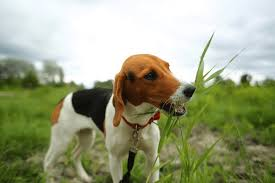
If you’ve ever watched your dog munching on grass, you might wonder: why do dogs eat grass? Is it a sign they’re hungry, sick, or just bored? Veterinarians field this question all the time, and while the behavior is common, the reasons behind it are more complex than you might think.
What Is Pica and Is Grass Eating Related?
Eating non-food items like grass is known as pica. Sometimes, pica is linked to nutritional deficiencies—dogs might seek out grass or other unusual items if their diet lacks key vitamins or minerals. However, most dogs eating commercially prepared, balanced diets should not have such deficiencies, so pica alone doesn’t explain this behavior.
Is Eating Grass a Physical Need?
One popular theory is that dogs eat grass to soothe an upset stomach. Some dogs will eat grass and then vomit shortly afterward, leading to the assumption that grass helps relieve nausea. But research suggests otherwise: fewer than 25% of dogs vomit after eating grass, and only about 10% show signs of illness beforehand. This means most grass-eating dogs aren’t sick or vomiting in response.
Instead, grass may fulfill a digestive need for fiber. Dogs require roughage to help their digestive systems work smoothly, and grass can serve as a natural source of fiber. If a dog’s diet lacks adequate fiber, grass eating may increase to compensate.
Important: If your dog shows signs of stomach discomfort—vomiting, diarrhea, or lethargy—it’s important to consult your veterinarian. Conditions like acid reflux, inflammatory bowel disease, or pancreatitis could require medical treatment.
Is Eating Grass a Psychological Need?
Dogs often spend their days waiting on their owners, and many can become bored, lonely, or anxious when left alone. Grass eating can be a way for dogs to pass the time, alleviate boredom, or comfort themselves.
Dogs that receive less human interaction sometimes resort to behaviors like grass chewing to seek attention or relieve anxiety. This habit is similar to how some people might bite their nails or fidget nervously. If your dog’s grass eating seems tied to stress or loneliness, increasing playtime, walks, and social interaction can help.
Is Grass Eating an Instinctive Behavior?
Wild ancestors of modern dogs consumed entire prey animals, including stomach contents filled with plants and grass, naturally balancing their diet. Wolves and wild canines have been observed eating grass in the wild—studies show 11% to 47% of wolf scat samples contain grass.
So, your dog’s grass eating may be a leftover instinct from scavenging and foraging behavior. Even dogs with well-balanced commercial diets retain this natural tendency to nibble on plants.
How Can You Manage or Prevent Grass Eating?
While grass itself is generally not toxic, the chemicals—herbicides, pesticides, fertilizers—used on lawns can be harmful. Grass can also carry parasites, like hookworms or roundworms, which pose health risks.
Here are tips to reduce or prevent your dog’s grass eating:
- Distract your dog with treats, toys, or commands whenever they start nibbling grass.
- Use positive reinforcement—offer praise or affection for ignoring grass.
- Increase mental stimulation with puzzle toys and more frequent exercise.
- Consider doggy daycare or socialization opportunities if boredom or anxiety seems to trigger grass eating.
If these strategies don’t work or your dog shows signs of illness, consult your veterinarian for further evaluation.
Final Thoughts
Grass eating in dogs is common and usually harmless, but it can signal dietary, digestive, or emotional needs. Understanding why your dog eats grass will help you better meet their health and behavioral needs, keeping your furry friend happy and safe.