
Free Shipping on orders over $50.00 USD
Treating Feline Urinary Infections & Symptoms

Cat Urinary Tract Treatment: Symptoms, Causes, and Care
Urinary tract infections (UTIs) are relatively rare in cats, but they can cause significant discomfort and even become dangerous if untreated. Understanding the signs, what causes these infections, and the best treatment options can help keep your cat healthy and prevent future urinary problems.
What Are Urinary Tract Infections in Cats?
A urinary tract infection occurs when bacteria invade the urinary system, usually the bladder. While only a small number of cats with urinary issues actually have a bacterial infection, these cases are typically straightforward to treat with medication.
Chronic or recurring UTIs may require additional testing to uncover underlying causes, such as anatomical differences, other health conditions, or repeated exposure to bacteria. It’s also important to note that not all urinary problems in cats are infections—conditions like urinary crystals or bladder stones can mimic the symptoms of a UTI. Proper veterinary diagnosis is essential to ensure your cat receives the right care.
Recognizing the Symptoms
Cats often hide pain, making urinary infections hard to spot. Common warning signs include:
- Frequent attempts to urinate, often producing very little urine
- Straining or discomfort while urinating
- Blood-tinged urine
- Urinating outside the litter box (sinks, bathtubs, laundry)
- Excessive licking around the genital area
- Vomiting or lethargy, particularly in male cats
While acute and chronic UTIs can present similarly, some cats with long-term infections may show very few symptoms. Any changes in litter box habits or urination patterns should be taken seriously.
Feline Lower Urinary Tract Disease (FLUTD)
Many urinary problems in cats fall under the umbrella of Feline Lower Urinary Tract Disease (FLUTD). This term refers to a variety of conditions affecting the bladder and urethra, which can block urine flow or prevent the bladder from emptying fully. FLUTD can be painful, and in severe cases, potentially life-threatening.
FLUTD is more common in middle-aged, overweight cats, especially those that eat mostly dry food, have limited activity, or live indoors exclusively. Male cats are at higher risk because their narrower urethras are more likely to become blocked.
Causes of Urinary Tract Infections
UTIs in cats are usually caused by bacteria that enter the urinary system from the gastrointestinal or lower urinary tract. Older cats and those with endocrine conditions, such as diabetes or hyperthyroidism, are more susceptible.
Both acute (sudden) and chronic infections are bacterial in origin. While sudden infections may be treated quickly with broad-spectrum antibiotics, chronic cases often require more testing to identify the specific bacteria and ensure the right treatment is given.
Why Hydration Matters
Adequate water intake is crucial for preventing urinary problems. Water dilutes the urine, helps flush bacteria from the bladder, and reduces the risk of crystals or stones forming. Since cats naturally drink small amounts, owners need to encourage fluid consumption.
A ceramic water fountain can be an effective solution. Cats are drawn to running water, and a ceramic fountain keeps it fresh, clean, and cool, which encourages more frequent drinking. Placing several water sources in quiet, accessible spots around the home can help your cat stay properly hydrated.
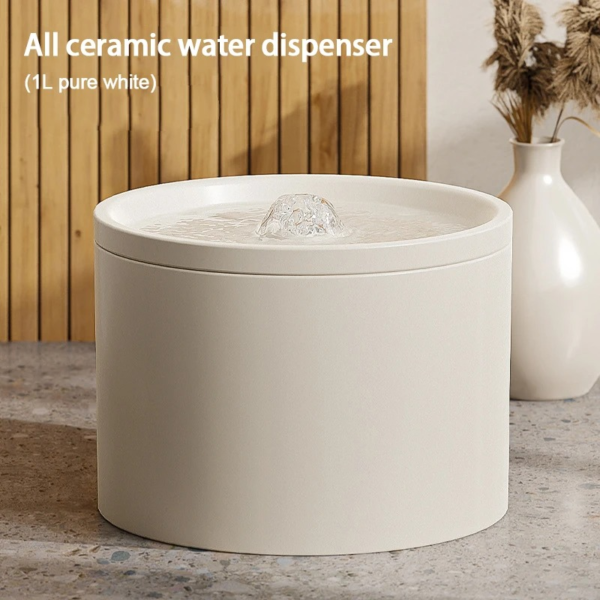
Modern Ceramic Cat Water Fountain with Filters – 33oz
Original price was: $79.99.$69.99Current price is: $69.99.
✨ Why Pet Owners Love It:
-
Free-Flowing Water – Mimics a natural stream to encourage more drinking
-
Ultra-Quiet Operation – Silent enough for bedrooms and offices
-
Built-In Filtration – Filters out hair, dirt, and impurities
-
Sleek Ceramic Design – Durable, non-toxic, and easy to clean
-
Perfect for Cats & Small Dogs – Ideal for pets prone to urinary issues
Replacement Filters Standalone Purchase: Click Here
Diagnosing UTIs
To confirm a UTI, veterinarians collect a urine sample directly from the bladder using cystocentesis. This prevents contamination from external surfaces and ensures accurate testing.
The urine is then analyzed with a culture-and-sensitivity test to identify the bacteria and determine which antibiotics will be most effective. While some first-time infections may be treated immediately with a broad-spectrum antibiotic, recurring or chronic infections usually require a more targeted approach.
Treatment Options
Immediate veterinary care is essential, particularly for male cats, as blockages can quickly become life-threatening. Female cats should also be seen promptly, with wet or canned food offered while awaiting treatment.
Typical treatments include:
- Antibiotics: The main treatment, with the duration depending on whether the infection is acute or chronic.
- Diet adjustments: Wet or canned food helps reduce urine concentration and supports urinary tract health.
- Pain relief: Anti-inflammatory medications may be prescribed for discomfort.
Home remedies like cranberry products are not recommended, as they are ineffective and may create additional urinary complications.
Recovery and Long-Term Care
Most cats recover within 7–10 days, though follow-up testing may be necessary to confirm that the infection has cleared. Recurring infections may require further diagnostics to identify underlying causes.
To help prevent future urinary problems:
- Ensure your cat completes the full course of prescribed medications
- Provide fresh water daily and encourage drinking with a fountain or multiple bowls
- Follow dietary recommendations from your veterinarian, including wet or canned food
- Monitor litter box habits for any changes
Regular veterinary check-ups can help catch potential issues early and maintain your cat’s urinary health.
FAQs About Cat Urinary Tract Treatment
1. Can my cat’s UTI go away on its own?
While mild, symptom-free infections may resolve, any cat showing signs of discomfort should see a veterinarian to prevent complications.
2. Can I treat my cat’s UTI at home?
Home care alone is not enough. Prompt veterinary care is essential, though dietary adjustments and proper hydration can support recovery after treatment begins.
3. Is cranberry juice safe for cats?
No. Cranberry products are not proven to treat UTIs and may create additional urinary complications.
4. Can dirty litter boxes cause UTIs?
Unsanitary litter boxes can discourage urination, which may contribute to urinary problems, but they do not directly cause infections.
5. How quickly should a cat with a UTI be treated?
Male cats should be seen immediately if symptomatic. Female cats should be evaluated within 24–48 hours to prevent complications from spreading to the kidneys.